Common
scenarios.
- Rear-end and intersection collisions
- Unsafe lane changes
- Distracted or impaired driving
- Multi-vehicle freeway crashes
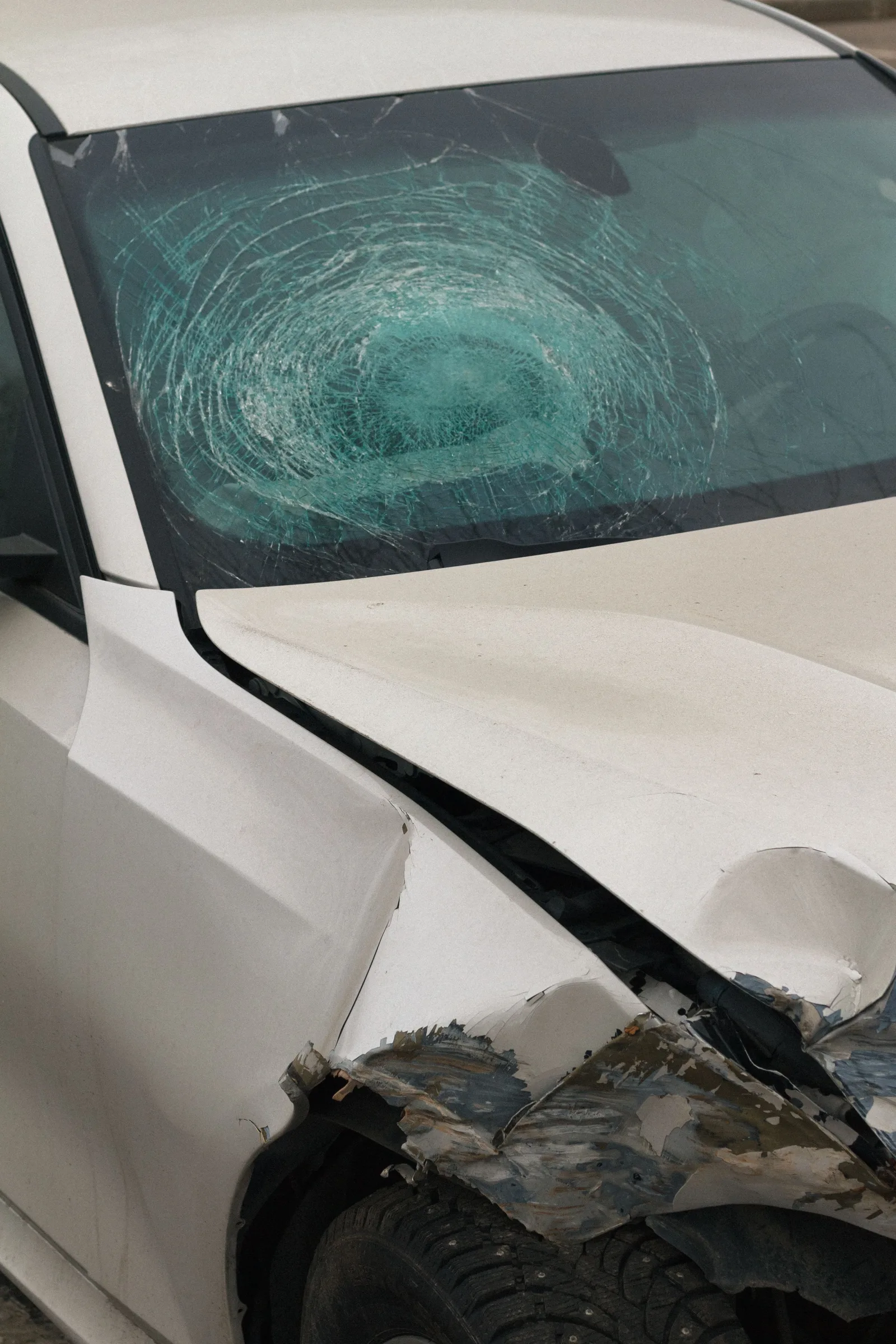
01 / 14 · PERSONAL INJURY
A car collision can create overlapping medical, transportation, work and insurance problems in a matter of seconds.
A clear claim begins by preserving what happened, identifying available coverage and documenting how the injury affected life beyond the vehicle.
BUILDING THE RECORD
INSURANCE CONSIDERATIONS
Multiple liability, collision, medical-payment or uninsured-motorist coverages may be relevant. Policy language and notice requirements should be reviewed carefully.
HOW REPRESENTATION MAY HELP
Representation may help organize evidence, evaluate insurance positions, document damages and pursue an available path through negotiation or litigation.
WHAT TO DO AFTERWARD
Seek appropriate medical care. Keep available photographs, records and correspondence. Be cautious about detailed statements when facts or injuries remain uncertain. Legal deadlines may apply.
FREQUENTLY ASKED
Preserve available scene information, contact details, insurance communications and medical documentation. The most useful evidence depends on how the incident occurred.
Potential responsibility can extend beyond the most obvious person. For this category, relevant parties may include negligent drivers, vehicle owners in applicable circumstances, employers when a driver was working.
Timing depends on recovery, available evidence, insurance issues, the parties involved and whether litigation becomes appropriate. No fixed timeline applies to every matter.
YOUR NEXT STEP
A clear conversation can help you understand what may come next.