Common
scenarios.
- Vehicle and pedestrian collisions
- Falls and unsafe property
- Bicycle or motorcycle impacts
- Other forceful trauma
10 / 14 · PERSONAL INJURY
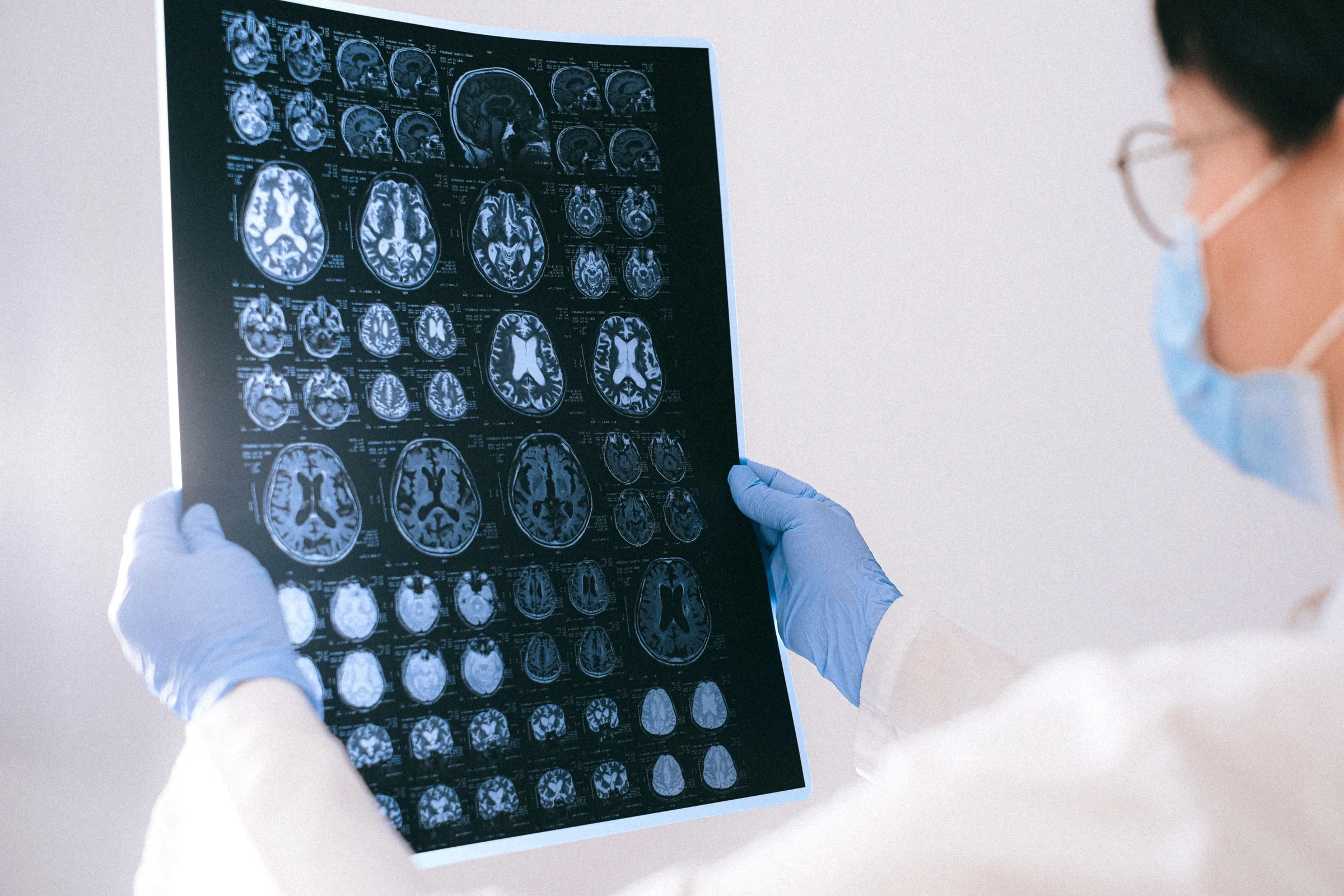
A brain injury may affect memory, concentration, mood, sleep, independence and the ability to work—even when outward signs are limited.
The legal claim should reflect the person’s before-and-after experience as well as the medical record.
BUILDING THE RECORD
INSURANCE CONSIDERATIONS
Serious-injury claims may involve policy-limit issues, multiple coverages and disputes over causation or the duration of symptoms.
HOW REPRESENTATION MAY HELP
Representation may connect medical evidence with real-world change and present future needs without reducing the person to a diagnosis.
WHAT TO DO AFTERWARD
Seek appropriate medical care. Keep available photographs, records and correspondence. Be cautious about detailed statements when facts or injuries remain uncertain. Legal deadlines may apply.
FREQUENTLY ASKED
Preserve available scene information, contact details, insurance communications and medical documentation. The most useful evidence depends on how the incident occurred.
Potential responsibility can extend beyond the most obvious person. For this category, relevant parties may include parties responsible for the underlying event, employers or property operators when applicable, other entities supported by the investigation.
Timing depends on recovery, available evidence, insurance issues, the parties involved and whether litigation becomes appropriate. No fixed timeline applies to every matter.
YOUR NEXT STEP
A clear conversation can help you understand what may come next.